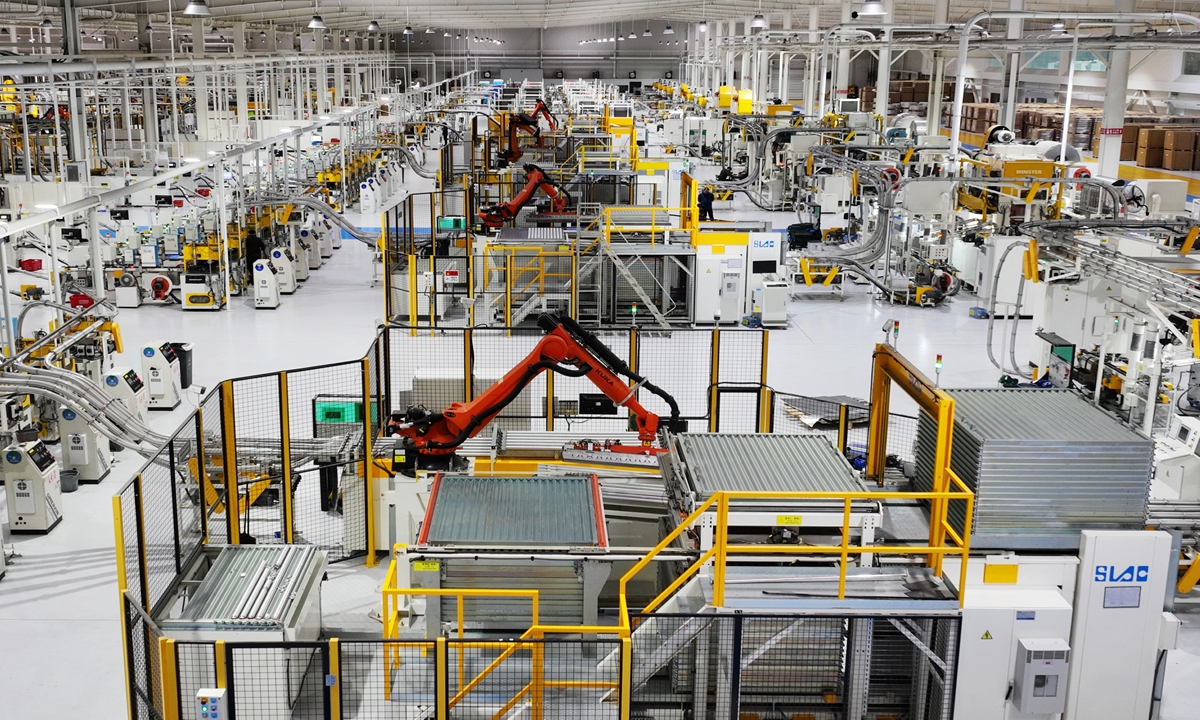
While technology has greatly improved the manufacturing industry, it still needs human supervision. As companies adopt automation for better efficiency and results, the role of human resources remains vital. With a highly specialised workforce, the experience and skills of long-term employees are invaluable. By providing these employees with advanced tools, manufacturers can boost productivity and stay competitive.
Addressing the Skills Gap with Automation
For many years, experienced workers have been essential to the success of manufacturing, thanks to their hands-on skills and problem-solving abilities. However, relying solely on their expertise can lead to challenges. As these seasoned workers retire and a younger generation enters the workforce, there could be gaps in knowledge and skills. This generational shift is prompting manufacturers to recognise the need for technology that empowers their workforce and aids decision-making. As the industry changes, integrating advanced technologies can significantly improve efficiency and productivity.
According to the latest State of Smart Manufacturing (SOSM) report, which surveyed over 1,500 manufacturers in 17 countries, 95% of manufacturers are either using or exploring smart manufacturing technology in 2024. The report also highlights a 30% increase in technology investments, showing that more companies are looking for ways to support their workers with new technologies. This approach can help fill gaps left by retiring skilled workers and provide better access to information for quicker decision-making, leading to a more efficient and effective workplace.
Empowering Workers with Smart Manufacturing Technology
From design to operations and maintenance, businesses can utilise various tools to enhance production.
Design
Visibility is crucial for successful project implementation. When multiple designers work on the same project, it can be hard to keep track of progress, leading to wasted time and resources. Human-machine interface (HMI) collaboration tools can help by providing clear project visibility and timely information. With software-as-a-service (SaaS) capabilities, teams can work together from anywhere, ensuring projects move forward smoothly.
This is especially beneficial for Original Equipment Manufacturers (OEMs), as it allows them to engage with customers, build applications, share ideas, troubleshoot issues, and evaluate solutions from a central location. The platform is user-friendly, making it easy to use.
Operations
In production plants, every component is interconnected, so a single malfunction can disrupt the entire line. While having the right tools is essential, it’s equally important to train employees to use them effectively. Unlike in the past, when operators might use the same tools throughout their careers, today’s operators need to adapt to rapidly changing technology. Businesses must provide ongoing training and upskilling for new equipment.
Maintenance
To successfully implement technology and ensure a sustainable production line, businesses should invest in maintenance solutions. Artificial intelligence (AI) can enhance operations by detecting issues before they cause unplanned downtime and ensuring safety standards are met.
Today, manufacturers can combine the strengths of both humans and technology. By integrating these elements, plant operators can achieve better outcomes, while employees benefit from a more empowered workplace, fostering innovation as the manufacturing sector evolves. To learn more about automation and AI and how it can be used within your business, contact us today at Gibsons!
Read original article here by Rockwell Automation: https://www.rockwellautomation.com/en-au/company/news/magazines/max-workforce-efficiency.html