Sustainability is no longer a side issue—it’s becoming a top priority across industries, including materials handling. What was once an afterthought in this sector is now firmly on the agenda, with companies at all levels of business recognising its importance.
But it’s not just about ticking boxes for the sake of appearances. Stakeholders, from investors to customers, want to see real, measurable results. Annual reports are no longer enough unless they include clear, concrete figures on sustainability goals. Customers, too, are increasingly making purchasing decisions based on how companies treat the environment. Miss the mark on sustainability, and you risk losing their loyalty.
So, what’s driving this shift?
The Sustainability Push in Warehousing & Manufacturing
With sustainability now at the forefront, businesses in warehousing and manufacturing are increasingly focused on finding ways to meet these new demands. From packaging to automation, companies are exploring a range of solutions to cut down on waste, improve efficiency, and reduce their environmental impact.
One example of this is the growing trend towards switching from traditional lead-acid batteries to lithium-ion (Li-ion) batteries in forklifts and other machinery. Li-ion batteries are a much better option for the environment, offering longer lifespans, fewer emissions, and less maintenance. They’re also more energy-efficient, helping businesses reduce their dependence on fossil fuels and cut down on waste over time.
Reducing Waste with Smarter Packaging
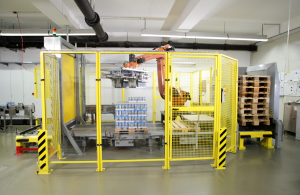
Packaging is another key area of focus. As businesses seek to reduce their environmental footprint, automating packaging processes is becoming increasingly popular. By using technologies like right-sizing, companies can streamline packaging to ensure they’re using the minimum materials required, cutting waste, and ensuring compliance with sustainability regulations. These changes don’t just improve environmental impact—they also enhance operational efficiency.
AI’s Role in Sustainability
Artificial intelligence (AI) is another game-changer when it comes to sustainability in materials handling. As AI technology continues to evolve, its potential to optimise sustainability practices is becoming clearer. AI-driven machine learning algorithms can collect data from sensors, analyse it, and learn from it, which allows businesses to make smarter, more sustainable decisions.
According to experts, AI can help businesses improve everything from packaging design to waste reduction. For example, AI can optimise energy use and reduce inefficiencies, helping companies achieve better electrical optimisation or even predict future sustainability needs. This kind of data-driven insight offers a level of transparency that would be difficult, if not impossible, for humans to achieve.
Looking Ahead
As regulations tighten and stakeholders demand more sustainable practices, companies will continue to face pressure to adapt. The role of sustainability in business operations is only going to grow, and for companies in materials handling, the question is no longer if they’ll go green—it’s how.
Sustainability is now at the core of business strategy, and the solutions are out there. From smarter batteries to AI-driven optimisations, there are plenty of opportunities for companies to meet their sustainability goals. The future is clear: sustainability isn’t just a trend—it’s the way forward.
Contact us at AE Gibson & Sons to find out more.
Story Reference: https://www.mmh.com/article/sustainability_takes_another_step_forward